
The Benefits of Tile Roofs: Durability and Style for Your Home
When considering a roof replacement or selecting materials for a new home build, homeowners often grapple with the decision of prioritizing longevity, aesthetic appeal, or long-term value. While asphalt shingles are common, they are often a short-term solution. For those looking for a roofing material that offers a blend of exceptional durability, timeless beauty, and superior protection, tile roofing stands out as a clear winner. From classic Spanish terracotta to modern concrete flat tiles, a tile roof is more than just a cover; it’s a significant, long-lasting investment in your home’s future.
Unmatched Durability: A Century of Protection
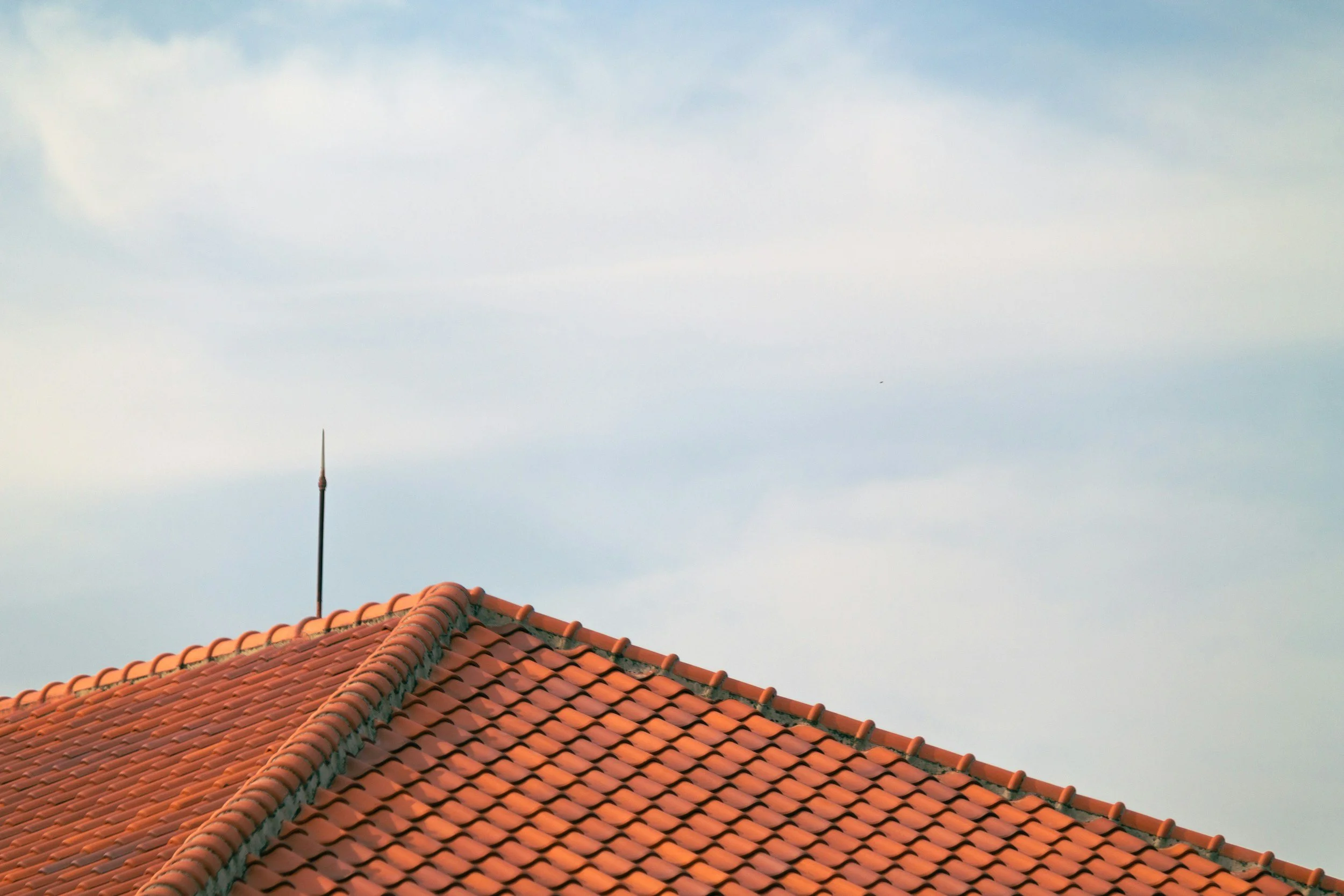
One of the most compelling reasons to choose a tile roof is its extraordinary lifespan. Unlike organic materials that degrade rapidly under harsh weather conditions, tiles—whether concrete or clay—are engineered to withstand the elements for decades, often exceeding the lifespan of the structure itself.
Longevity That Outlasts the Competition
A high-quality tile roof can last 50 to 100 years or more with minimal maintenance. This exceptional longevity drastically reduces the need for costly replacements. Compare this to the typical asphalt shingle roof, which usually requires replacement every 15 to 30 years. Over the life of your home, installing a tile roof means you may never have to deal with another full roof replacement, translating to substantial long-term savings. The initial investment, while higher, is amortized over a far greater period, offering a lower annual cost of ownership than almost any other material.
Resistance to the Elements
Tile roofing offers superior protection against a wide range of environmental threats:
Fire Resistance: Clay and concrete tiles are non-combustible materials, meaning they carry the highest possible fire rating (Class A). In areas prone to wildfires or even in neighborhoods where fire safety is a concern, this inherent resistance offers invaluable peace of mind and can often lead to reduced insurance premiums.
Wind Resistance: When properly installed, tiles are highly resistant to high winds, including hurricane-force gusts. The individual overlapping structure allows air to pass through, reducing uplift, while the weight of the material secures the roof system. Modern installation methods further enhance wind uplift resistance, making tile a top choice in coastal and high-wind regions.
Pest and Rot Resistance: Unlike wood or composite materials that can harbor moisture, mildew, or attract insects, tile is impervious to rot, decay, and damage from termites or other pests. It does not absorb water in the same way, preventing the growth of mold and mildew that can compromise structural integrity.
Hail Resistance: Depending on the thickness and profile, many tile roofs can withstand significant hail impacts without cracking, unlike thinner materials that might require immediate repair after a storm.
Style and Versatility: Elevating Your Home’s Curb Appeal
While durability is key, the aesthetic benefit of a tile roof is equally significant. Tile offers a distinct, sophisticated appearance that instantly elevates curb appeal and increases the perceived value of a property.
A Spectrum of Styles and Colors
Tile is no longer limited to the classic red clay found on Mediterranean or Spanish-style homes. Modern manufacturing techniques allow for an incredible array of shapes, textures, and colors:
Clay Tiles: Known for their natural, rustic beauty, clay tiles come in traditional barrel shapes (S-tiles), flat profiles, and slate-like textures. The color is often baked in, providing fade resistance that keeps the roof vibrant for decades, often developing a desirable patina over time.
Concrete Tiles: Offering the same longevity and durability as clay, concrete tiles provide greater versatility in color and shape at a generally lower cost point. They can be molded to mimic the look of wood shakes, natural slate, or even asphalt shingles, providing a high-end look without the corresponding maintenance or expense. Pigments can be mixed throughout the concrete, ensuring color depth and resilience.
Whether you are seeking the traditional charm of a Riviera villa or the sleek lines of contemporary architecture, there is a tile profile—from mission, pantile, or shingle—to match your design vision. The structural mass and bold lines of a tile roof provide a visual weight that anchors the entire home design.
Energy Efficiency and Sustainability: A Cooler, Greener Home
In an era of rising energy costs and growing environmental awareness, the inherent properties of tile roofing offer significant advantages in terms of energy efficiency and sustainability.
The Thermal Barrier Effect
Tile's unique shape and installation method create a natural thermal barrier. The curves and contours of the tiles, particularly the high-profile barrel styles, allow air to circulate underneath the roof, creating a natural ventilation system. This air pocket helps dissipate heat that would otherwise be transferred directly into the attic and subsequently into the living spaces below.
Cooler Interiors: In hot climates, this superior ventilation can significantly reduce air conditioning loads, leading to substantial energy savings and a more comfortable home environment. Studies have shown that homes with tile roofs can experience lower attic temperatures compared to homes with dark asphalt shingle roofs.
Reflective Pigments: Many modern tiles are manufactured with lighter colors or treated with highly reflective coatings and pigments that deflect solar radiation, further minimizing heat absorption. These "Cool Roof" certified tiles are essential for maximizing energy efficiency in sunny regions.
An Environmentally Responsible Choice
Tile roofing is an inherently sustainable material. Clay and concrete are natural, readily available materials derived from the earth. The manufacturing process for clay tile has become increasingly efficient, utilizing advanced kilns to reduce energy consumption. Furthermore, the extreme longevity of tile means fewer roof tear-offs ending up in landfills. When a tile roof does finally reach the end of its exceptionally long life, the material is 100% recyclable, making it one of the most environmentally friendly roofing options available. By choosing tile, homeowners reduce their environmental footprint and contribute to resource conservation.
Long-Term Investment and Value
While the initial cost of a tile roof can be higher than that of asphalt shingles, it is crucial to view the expense not as a simple purchase, but as a strategic, long-term investment.
Reduced Maintenance Costs
Due to its resilience, a tile roof requires far less ongoing maintenance than other roofing types. Tiles do not corrode, fade significantly, or require frequent sealing. You avoid the regular costs associated with patching, sealing, or replacing individual shingles due to cracking or curling. Routine inspections and simple cleaning are usually all that is needed to maintain its structural integrity and appearance. If an individual tile is damaged, it can be easily replaced without disturbing the surrounding roofing system, making repairs simple and cost-effective.
Increased Home Value
A tile roof is a powerful selling feature. It signals quality, durability, and a lower cost of ownership to prospective buyers. Homes featuring tile roofs typically command higher resale values and spend less time on the market, as the roof is often viewed as a major upgrade that eliminates the need for a major renovation expense for the new owner. The aesthetic superiority also enhances the home's overall market appeal, making it a distinctive and desirable property.
The Takeaway
Choosing a tile roof is a decision to invest in unparalleled protection, timeless style, and enduring value. It’s an option that pays dividends through reduced energy bills, lower long-term maintenance costs, and a significant boost to your home’s aesthetic and market appeal. If you are ready to put an end to the cycle of costly roof replacements and embrace a material that offers a century of durability and beauty, tile roofing is the definitive choice for your home.