Why Metal Roofs Are a Smart Investment for Homeowners
Choosing a roof is one of the most critical decisions a homeowner faces. It's an investment in the protection, efficiency, and longevity of your most valuable asset. While asphalt shingles have long been the default choice, a growing number of homeowners are recognizing the superior value offered by metal roofing. Far from the noisy, industrial-looking structures of the past, modern metal roofs are sophisticated, durable, and available in a stunning variety of styles and colors.
This comprehensive guide will delve into why a metal roof is not just an expense, but a truly smart, long-term investment that pays dividends through enhanced longevity, unmatched durability, superior energy efficiency, and tangible increases in home value.
The Foundation of Longevity: Outlasting the Competition
One of the most compelling reasons to choose a metal roof is its extraordinary lifespan. When compared to conventional materials, metal stands in a league of its own.
The Metal Advantage in Years
Traditional asphalt shingle roofs typically last between 15 and 30 years, often requiring costly repairs and eventual replacement within that timeframe. A metal roof, however, can easily last 40 to 70 years—and often longer—with minimal maintenance. This difference is monumental.
Consider the cost-over-time analysis. If you own your home for 50 years, you might replace an asphalt roof two or even three times. With a metal roof, you install it once and likely never have to worry about a major roofing project again. This eliminates two or three cycles of material costs, labor fees, and the headache of major construction.
Material Science and Durability
Modern metal roofing utilizes advanced materials like steel (often galvalume or galvanized), aluminum, copper, and zinc. These metals are treated with high-performance, multi-layered paint systems, such as Kynar 500® or Hylar 5000®, which resist chipping, cracking, fading, and chalking better than any other coating on the market. These coatings are the secret weapon against the elements, ensuring the roof looks vibrant and new decades after installation.
Furthermore, metal roofs are inherently resistant to common roofing foes:
Pest and Insect Damage: Unlike wood shakes or composite materials, metal offers no food source or nesting opportunity for termites, carpenter ants, or other burrowing pests.
Mildew and Moss: The non-porous surface of metal does not retain moisture, preventing the growth of algae, moss, and mildew that can plague shingles and tiles in humid climates.
Thermal Cycling: Metal handles extreme temperature swings without the cracking and splitting that occurs with less flexible materials.
Unmatched Resistance: A Shield Against the Elements
A roof's primary job is protection, and metal excels at it. It provides a level of defense against severe weather that is simply unattainable with standard materials.
Fire Resistance
Metal roofs are classified as non-combustible. Unlike wood, which fuels a fire, or asphalt, which can melt and drip fire, a metal roof is a barrier. This translates directly to enhanced safety for your family and a significant benefit in terms of insurance premiums. In fire-prone areas, a metal roof can be a life-saving feature and often a prerequisite for obtaining full home insurance coverage.
Wind and Hail Defense
Metal roofing systems are typically installed as interlocking panels, forming a monolithic shield over your home. They are designed to withstand extremely high winds, often rated to resist gusts up to 140 mph or more, easily surpassing the limits of most conventional roofing materials. This performance is especially crucial during hurricanes or severe thunderstorms.
As for hail, a metal roof offers superior impact resistance. While some minor cosmetic dimpling might occur in a severe hailstorm (depending on the gauge and type of metal), the structural integrity of the roof remains intact, unlike asphalt shingles which can be cracked, chipped, and rendered useless, leading to immediate leaks and mandatory replacement.
Snow and Ice Management
In colder climates, metal roofs naturally shed snow and ice more effectively than rough-textured shingles. The sleek surface, combined with the heat transfer properties of the metal, encourages snow to slide off quickly and completely. This prevents the heavy build-up of snow loads that can strain a home’s structure and significantly reduces the risk of dangerous ice dams forming at the eaves, which are a major cause of winter water damage.
Energy Efficiency: A Cooler, More Sustainable Home
The perception that metal roofs heat up a house is a myth. In reality, a metal roof is one of the most energy-efficient roofing materials available, offering substantial savings on cooling costs.
High Solar Reflectance
Metal roofs, particularly those finished with reflective paint pigments, have a high solar reflectance and thermal emittance value. This means they reflect a significant portion of the sun's radiant heat away from the house, rather than absorbing it.
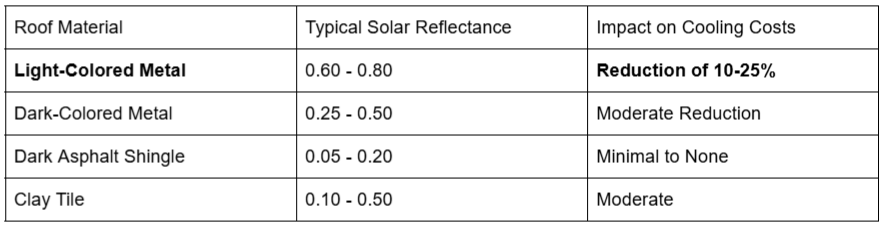
By keeping the attic and the space beneath the roof cooler, the strain on your air conditioning system is drastically reduced, leading to lower electricity bills throughout the warmer months. This makes a metal roof a key component of a high-efficiency or "green" home.
Recycled Content and Sustainability
From an environmental standpoint, metal is a champion. Most metal roofing is made from a minimum of 25% recycled content, and at the end of its decades-long service life, it is 100% recyclable. This stands in stark contrast to asphalt shingles, a petroleum product that contributes billions of pounds of non-recyclable waste to landfills annually. Choosing metal is a direct investment in sustainable building practices.
Financial Returns: Boosting Home Value and Lowering Costs
The initial cost of a metal roof is higher than that of asphalt shingles, but the financial returns make it a worthwhile investment.
Exceptional Return on Investment (ROI)
According to numerous studies, including those by Remodeling Magazine's Cost vs. Value Report, a metal roof consistently provides one of the highest returns on investment for exterior home improvements. Homeowners can typically recoup a high percentage of the installation cost—often 85% or more—upon resale.
The perception of value is also a factor. Potential homebuyers recognize the long life, low maintenance, and energy efficiency benefits of metal. A home with a new or well-maintained metal roof is immediately more appealing because the buyer knows they won't face a major roofing expense for several decades.
Insurance and Maintenance Savings
As mentioned, the non-combustible nature and superior weather resistance of a metal roof can lead to noticeable reductions in homeowners insurance premiums, particularly in areas prone to severe weather or wildfires.
Furthermore, maintenance costs are minimal. There are no shingles to blow off, no tiles to crack, and no granular surfaces to wear away. Routine maintenance usually involves no more than checking fasteners and flashing every few years, a stark contrast to the routine spot repairs and patching often required by asphalt roofs.
Aesthetic Versatility: Style Without Compromise
The notion that metal roofs are limited to a barn-like corrugated appearance is outdated. Modern metal roofing has evolved into a highly versatile aesthetic product.
Style Options
Today's metal roofs can be fabricated to mimic almost any traditional roofing material:
Standing Seam: The classic, sleek, vertical lines are popular for contemporary and industrial designs.
Metal Shingles and Shakes: Panels are pressed and formed to perfectly replicate the look of wood shake, slate, or traditional clay tile, but without the fragility, weight, or maintenance issues.
Corrugated: Still available, but now in a variety of clean profiles and colors.
Color and Finish
Thanks to the advanced Kynar finishes, the color palette is virtually limitless, from deep charcoals and forest greens to vibrant reds and subtle earth tones. These finishes are highly resistant to UV rays, meaning the color you choose today will remain rich and vibrant for decades.
The Final Verdict
A metal roof is a premium product, and its upfront cost reflects that quality. However, when viewed through the lens of long-term investment, the financial benefits become clear. By effectively eliminating the need for a replacement roof for 50 or more years, dramatically lowering energy bills, reducing insurance costs, and providing unparalleled protection against fire and weather, a metal roof offers exceptional value.
For the modern homeowner who prioritizes longevity, sustainability, and superior protection, choosing a metal roof is not just a smart decision—it is the wisest decision for the future of their home.